
$DOCN - This Agentic Cloud Stock Is Surging Despite AI Sell Off
Everyone chased the GPU. One company built the stack underneath it.
The Q2 2026 Preliminary Results
DigitalOcean’s stock’s trading up 8% today, while the rest of the AI infrastructure trades are bleeding out. AAOI is down 7%, Nebius and CRWV are down 4% as capital rotates toward the full stack.
While we were preparing this article to ship, DigitalOcean dropped their Q2 2026 preliminary numbers on July 7 and the print completely validates the agentic cloud thesis.
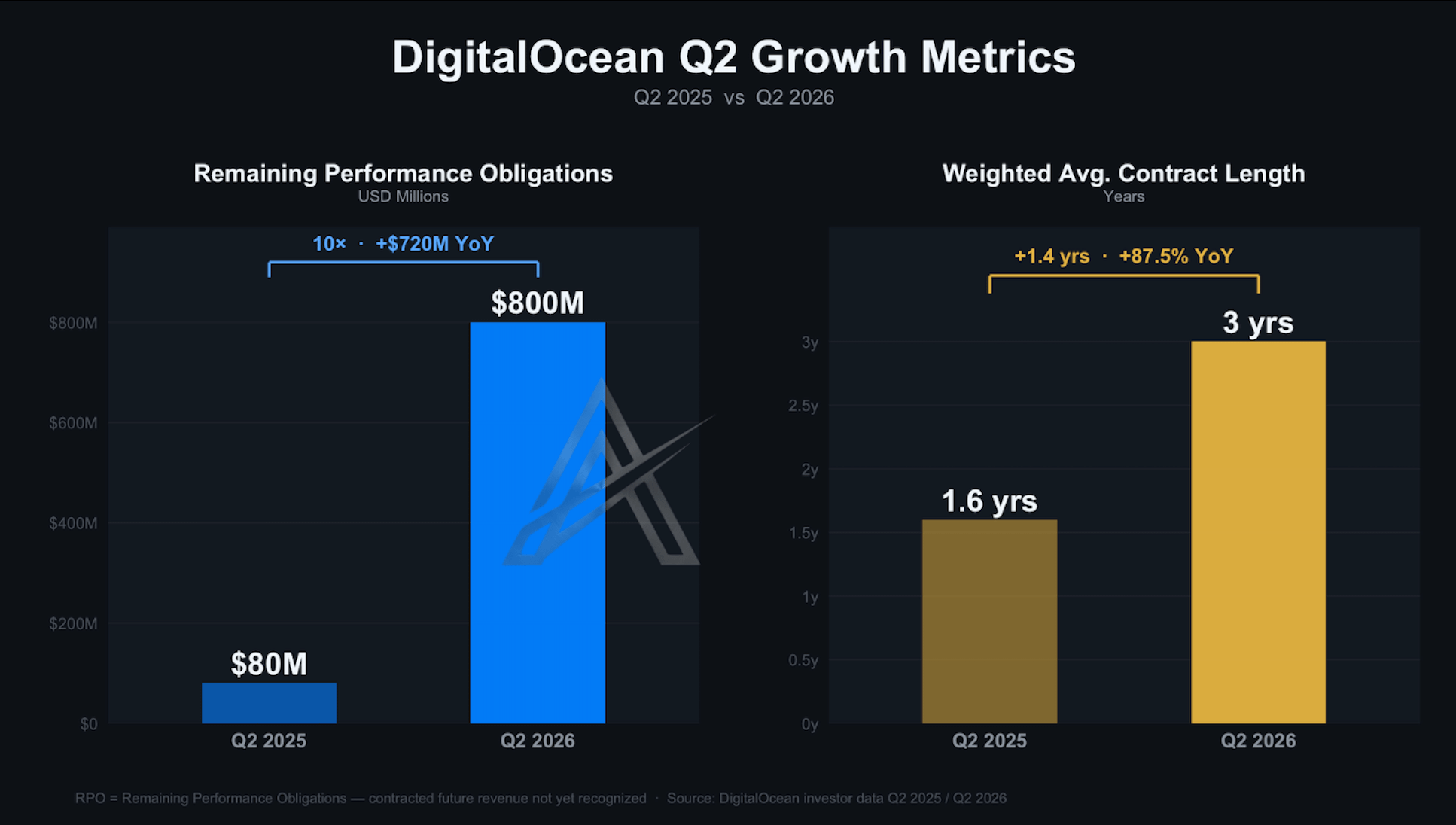
Revenue growth hit 29% for the quarter, which is a massive acceleration from the 14% recorded in the same period last year. The story sits in the RPO (Remaining Performance Obligations), because it exploded past $800 million. That metric alone went up more than 10x YoY with a $550 million jump in Q2 alone.
Moreover, they’re locking in customers for much longer periods. The weighted average contract life expanded from 1.6 years to over 3 years. Management confirmed they’ve signed multiple nine-figure annual commitments for inference workloads during the quarter, doesn’t get much better.
They’ve secured another 20 MW of data center capacity to keep up with this volume. They’ll bring those facilities online in late 2027, this pushes their total commitment footprint to roughly 155 MW.
The margin’s profile’s holding up under this growth. The company expects to beat the high end of its previous adjusted EBITDA guidance. Non-GAAP earnings per share are also projected to come in above expectations. Although our valuation’s based on a $130 stock price, this acceleration ensures our underlying PTs remain completely valid.
Introduction
Three years ago, every dollar in AI infrastructure chased the same thing.
GPUs.
The logic was simple:
models need compute,
compute means GPUs,
whoever owns the GPUs wins.
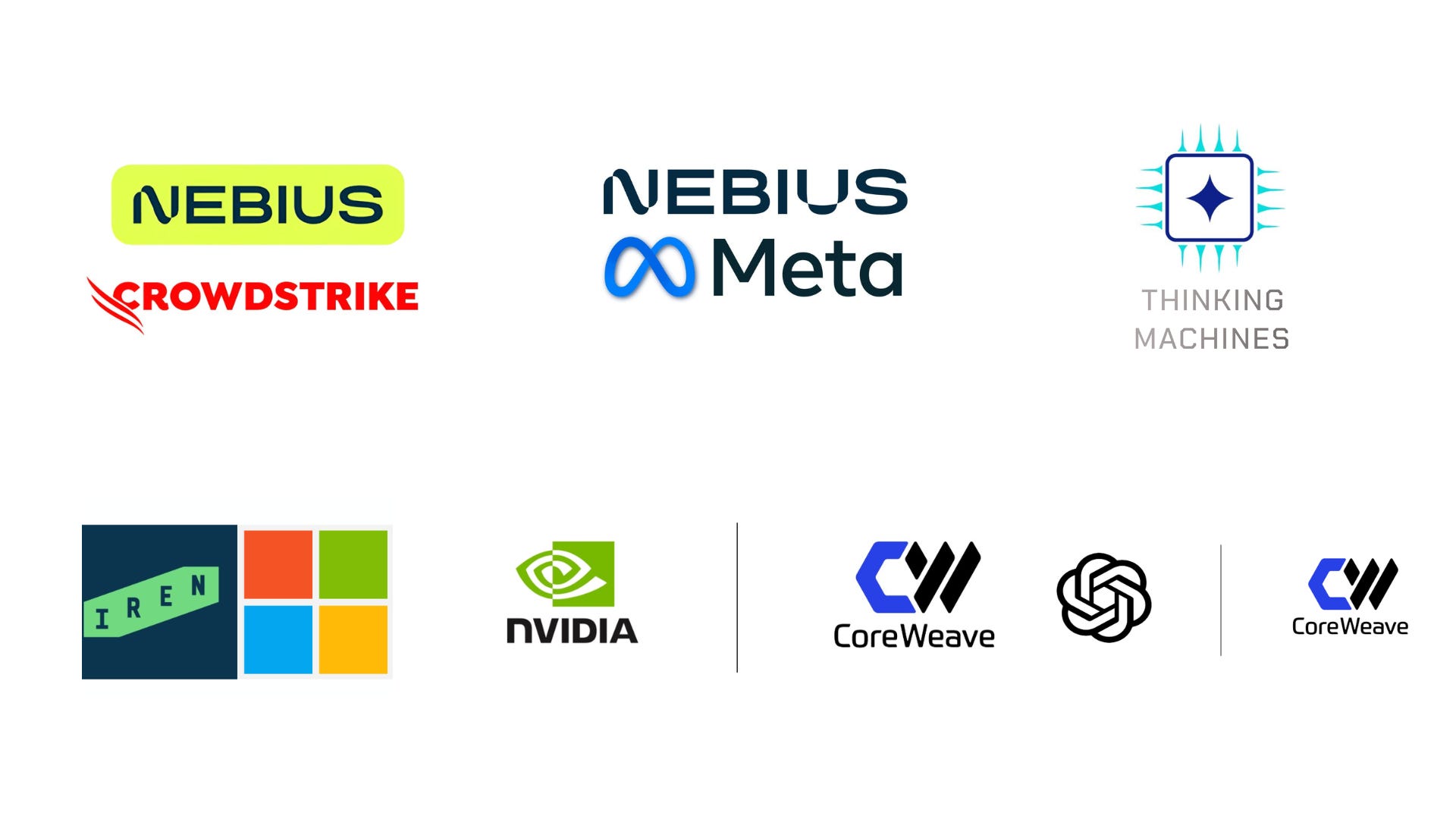
CoreWeave went public at a $23 billion valuation on that thesis and Nebius raised billions on it. The Neocloud trade was born.
It worked, because the problem it solved was real. Training a model and serving it to users who type a question and wait for an answer takes raw GPU horsepower, and hyperscalers were too slow to supply it.
The problem is that the AI use case has already started to move.
Models no longer just answer questions. They book flights, write code, browse the web, call APIs, query databases, check their own output, and loop back around.
That is an agent.
And an agent needs something a neocloud can’t give it, a full stack where: every layer, compute, inference, memory, talks to the others without the developer wiring it together themselves.
That is what an agentic cloud is. One company quietly built it while everyone else was chasing GPUs.
Before we begin, this Substack is for informational and entertainment purposes only and does not constitute financial advice. Past performance is not indicative of future results. Never invest more than you can afford to lose. Our writers may hold positions in the securities discussed and may buy or sell them at any time without notice.
What Is an Agentic Cloud?
The simplest way to think about it is layers.
A neocloud gives you one layer: compute. You rent a GPU, you run your model on it, and finally, you pay the bill.
Everything else (the database, the framework that sets its steps, the inference engine, you source, stitch, and debug yourself). The neocloud gets paid once. When you outgrow raw compute, you leave.
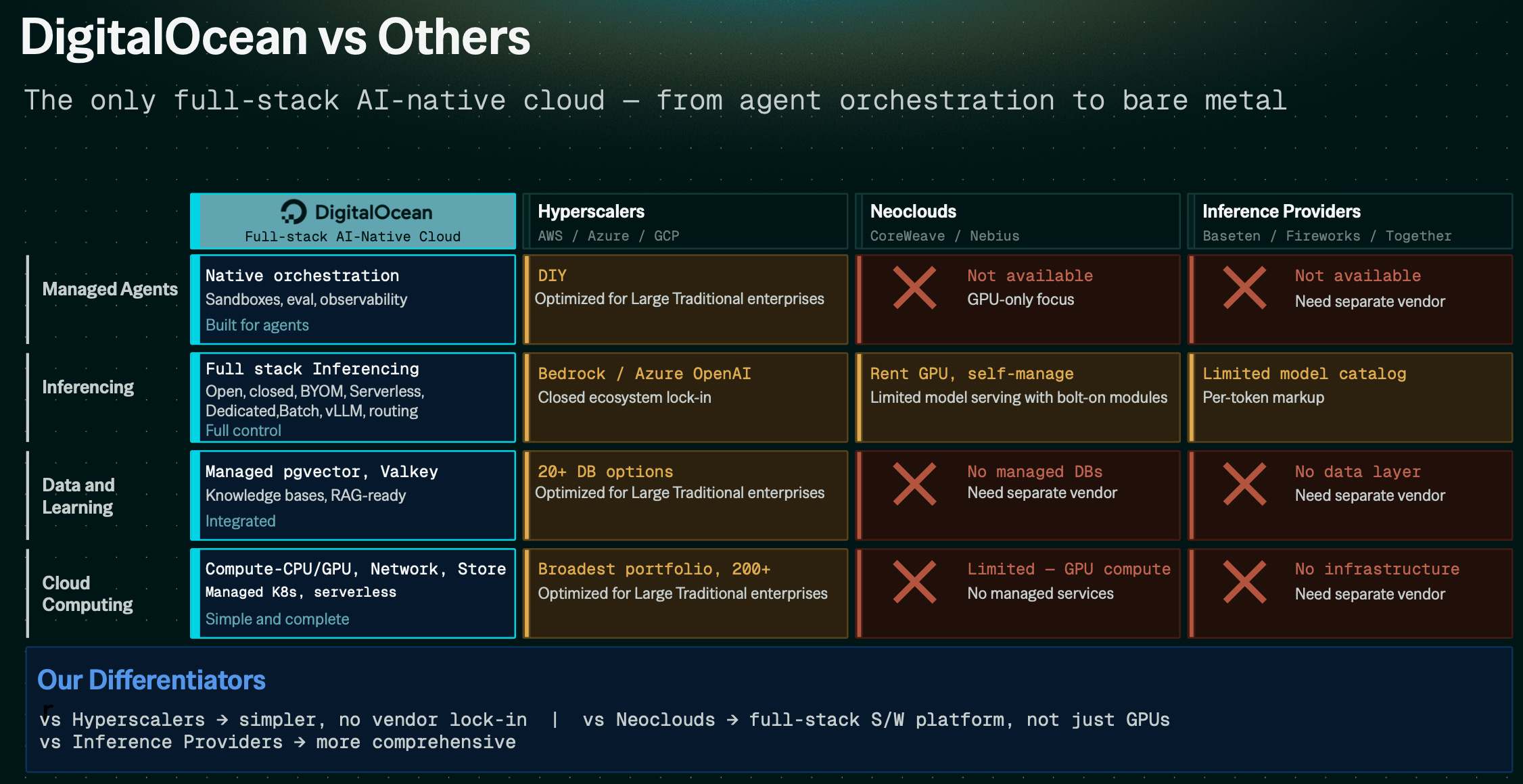
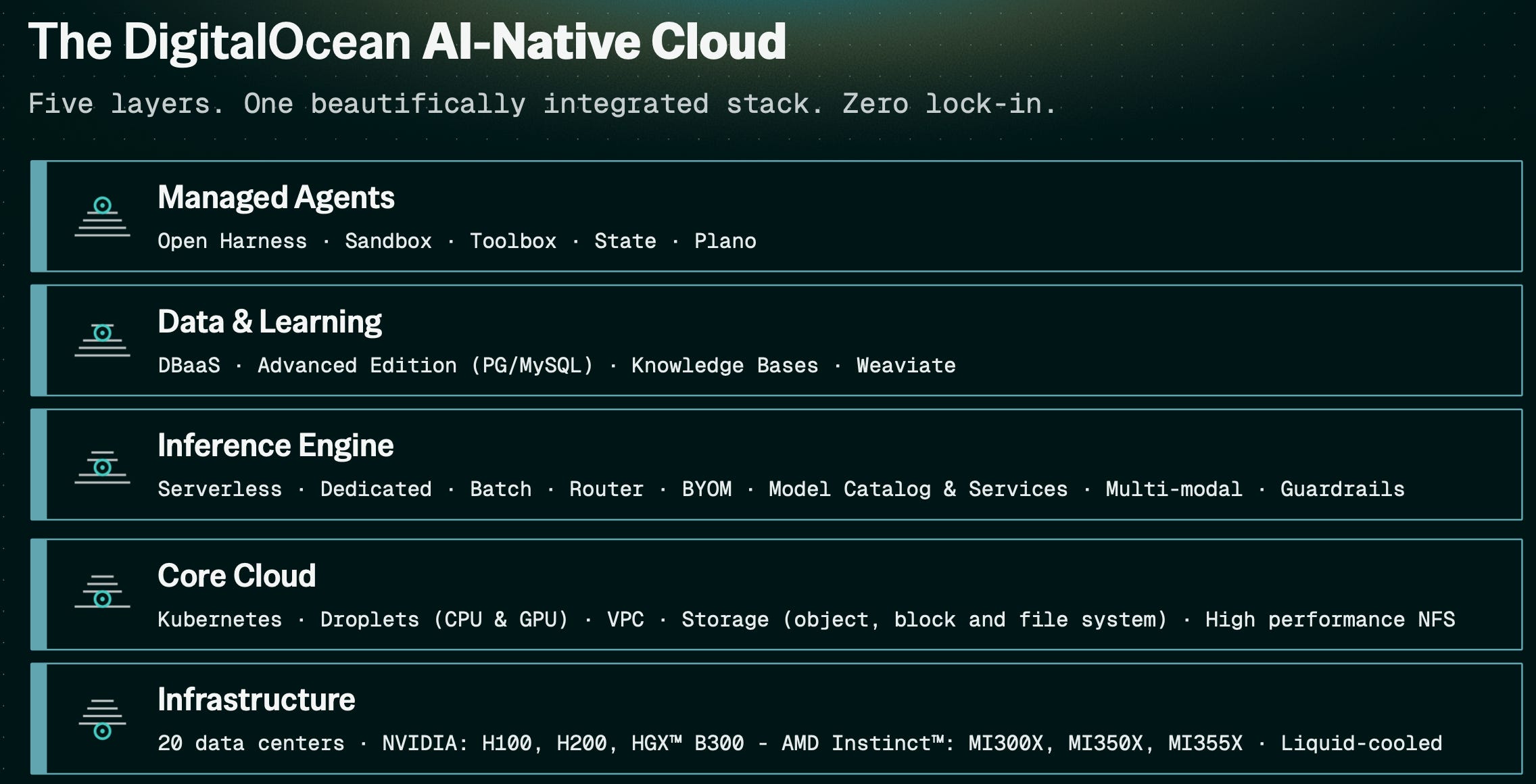
An agentic cloud gives you the whole stack.
The GPU sits underneath an inference engine → which sits next to a vector database → which talks to an orchestration layer → which handles the agent’s memory and tool calls.
One provider, one integrated system, one bill.
The business model difference is what matters the most, because neocloud customer who needs more than compute has nowhere to go but out. An agentic cloud customer who outgrows one layer moves up to the next one inside the same platform.
Vendor captures more revenue per customer over time without spending another dollar on acquisition.
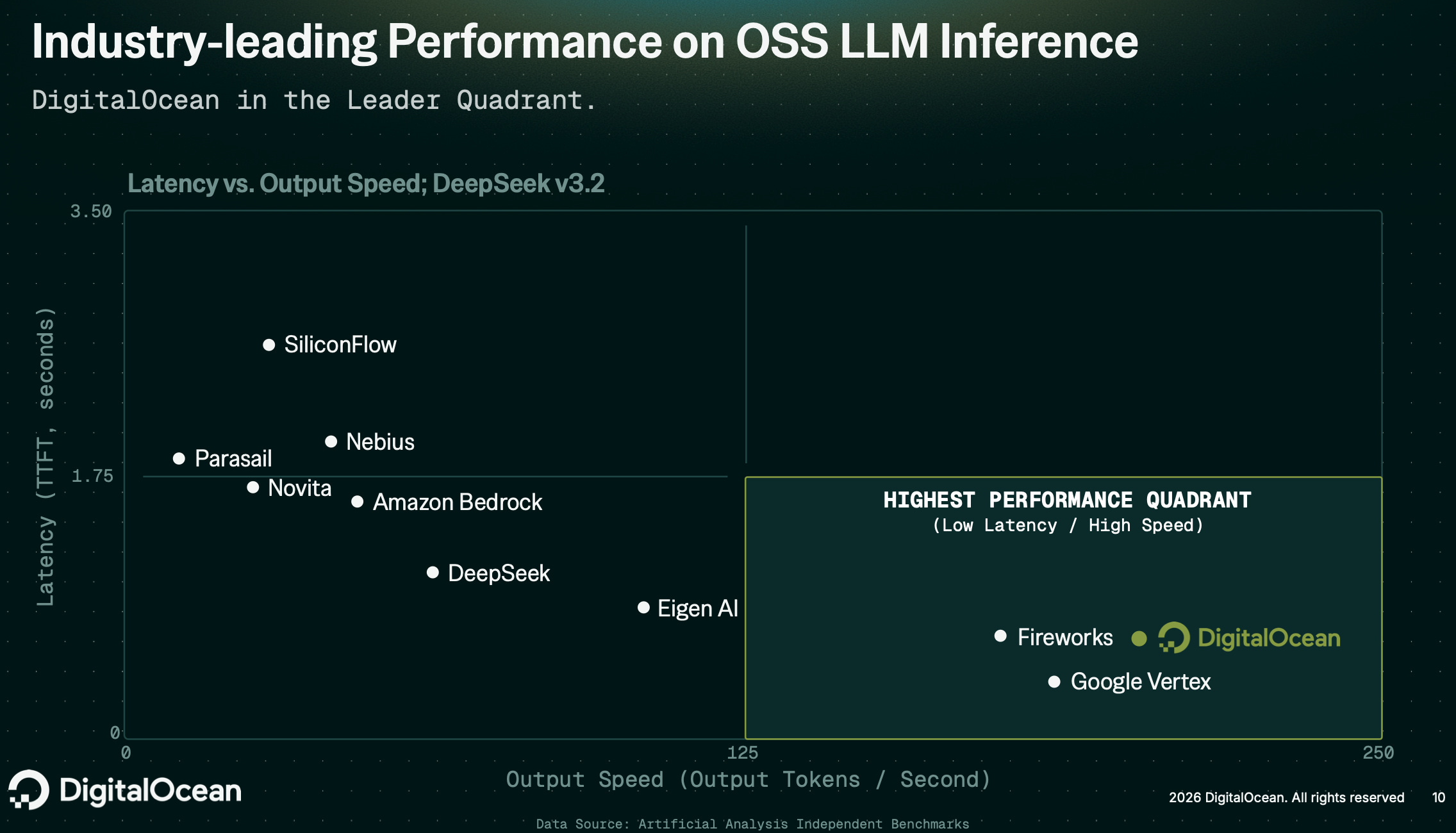
The neocloud trade was about scarcity. The agentic cloud trade is about stickiness. Srinivasan put the scale plainly: by 2030, the world will consume 4 to 5 quintillion tokens per year, with agents driving 70% of it. That infrastructure gets built everyday and the only question is who collects the toll.
The Agentic Shift
Jensen Huang doesn’t say anything he hasn’t already thought through twice. Earlier this year he told investors that agentic AI is “doing productive work, generating real value and scaling rapidly”, the infrastructure buildout was already following.
He was right, and the data shows it before he said it.
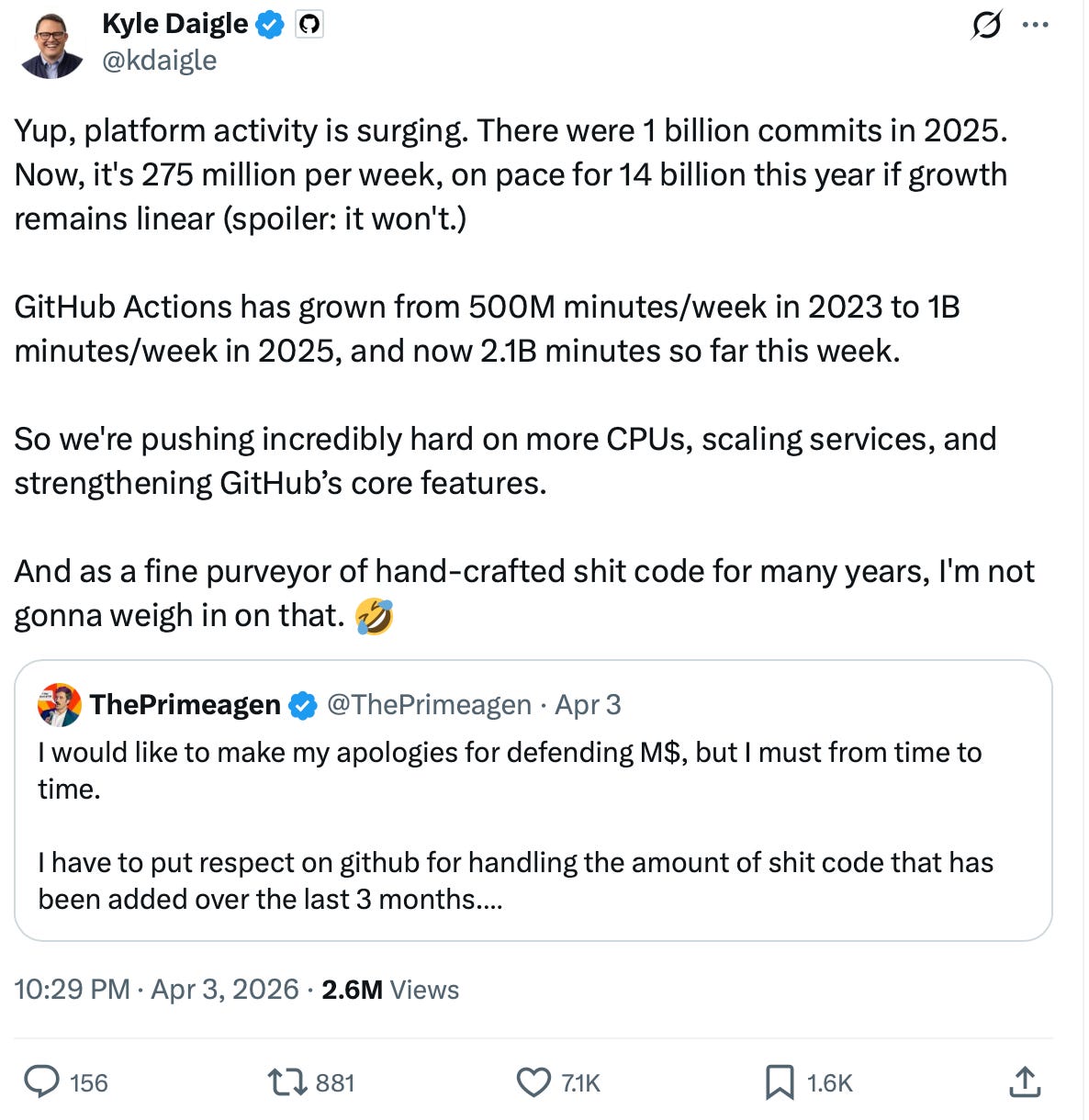
GitHub commits nearly tripled in the first months of 2026 compared to 2025. The number of professional developers worldwide stayed flat at 30 to 40 million. The same people, producing three times the output.
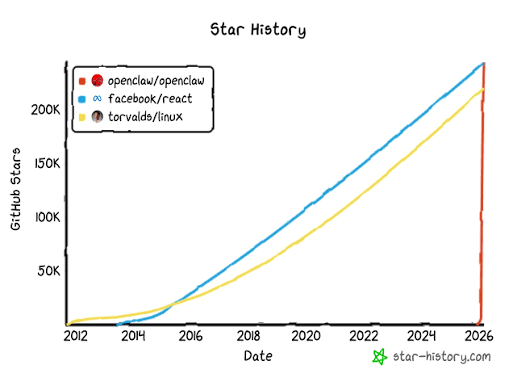
Furthermore, OpenClaw hit 250,000 GitHub stars in roughly 100 days, a milestone React took a decade to reach. Moreover, NVIDIA built NemoClaw, an enterprise agent stack, directly on top of it.
The tooling to build agents has collapsed in complexity. What took a specialized team months in 2023 takes one developer days today. The volume of agents shipping into production is compounding, and the infrastructure demand underneath each one is climbing at the same pace.
Reasoning models now account for more than 50% of all AI tokens processed, up from less than 1% eighteen months ago. Each reasoning step is an inference call. Each inference call needs:
Compute,
Memory,
Orchestration running in sequence.
Agentic workloads consume up to 30x more tokens than traditional applications.
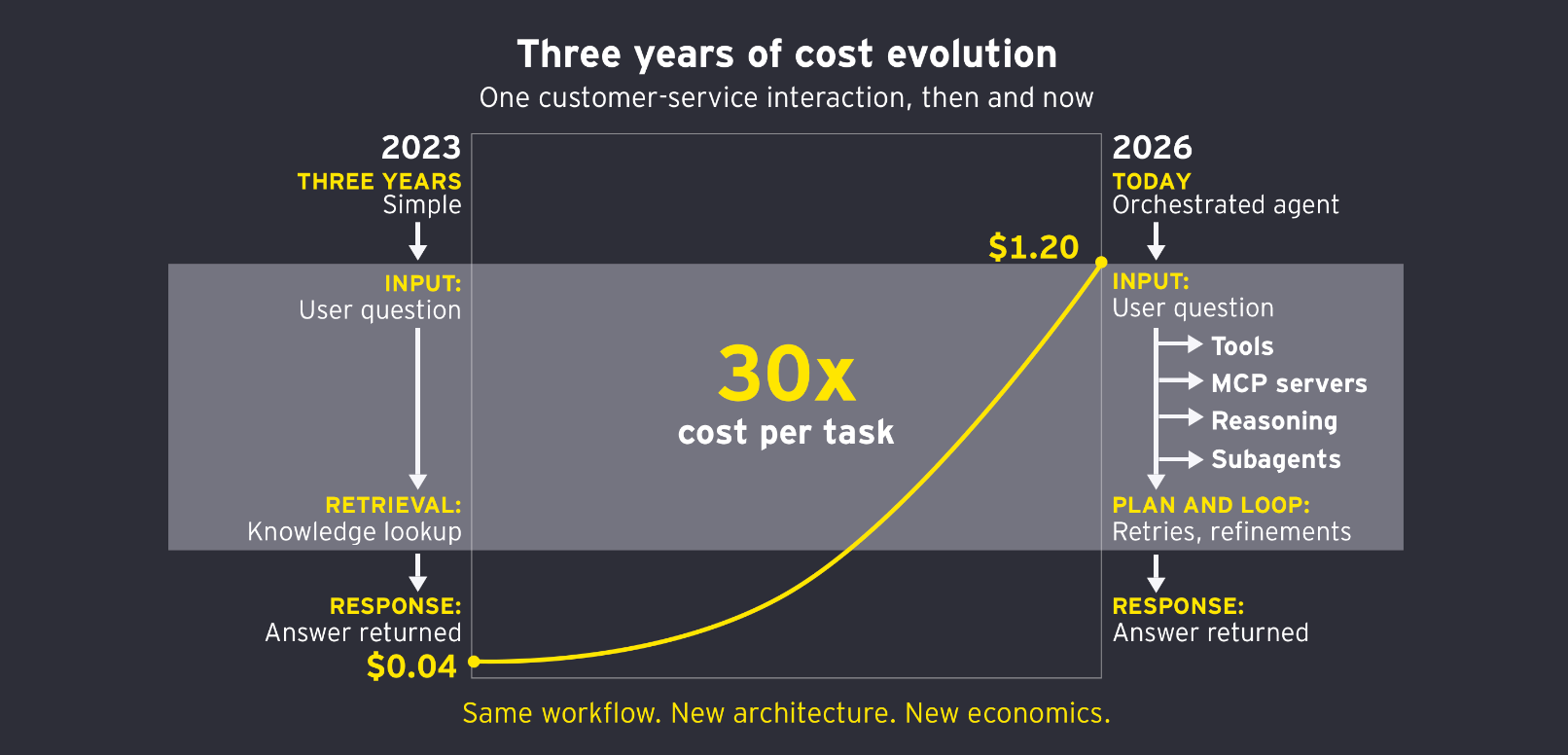
Both sides of the equation are moving at once. More agents shipping, more infrastructure consumed per agent. The compounding is non-linear.
That’s where the cost problem enters.
Stitching together compute from one vendor, inference from another, and a vector database from a third doesn’t just create integration headaches, it’s also expensive. An integrated platform handling the full stack costs 20 to 40% less than assembling the equivalent from separate vendors. In high token volume environments, that delta isn’t a rounding error. It’s the difference between a profitable product and a margin disaster.
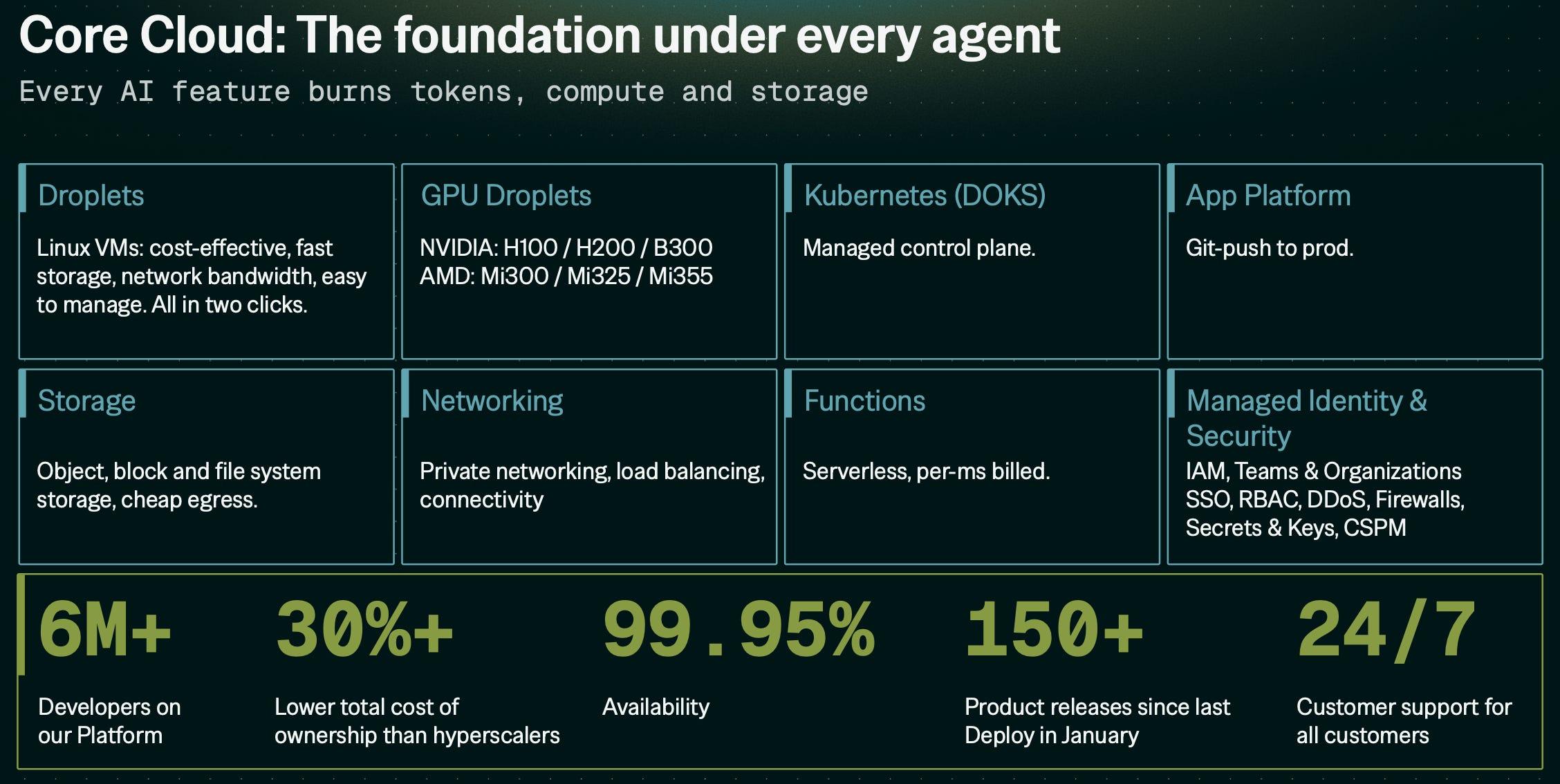
The market is learning this the hard way:
80% of enterprises missed their AI infrastructure cost forecasts by over 25% in 2025,
84% reported margin erosion tied to AI workloads.
Most of them are still running fragmented stacks, paying the fragmentation tax on every single inference call.
Moreover, twelve months ago, agent frameworks were experimental. Today they’re in production at scale across hundreds of teams. When agents move from experimentation to production, the infrastructure requirement changes completely. Latency tolerances tighten, and reliability requirements go up. A fragmented stack that works in a sandbox breaks under production load. That’s why the window opened now.
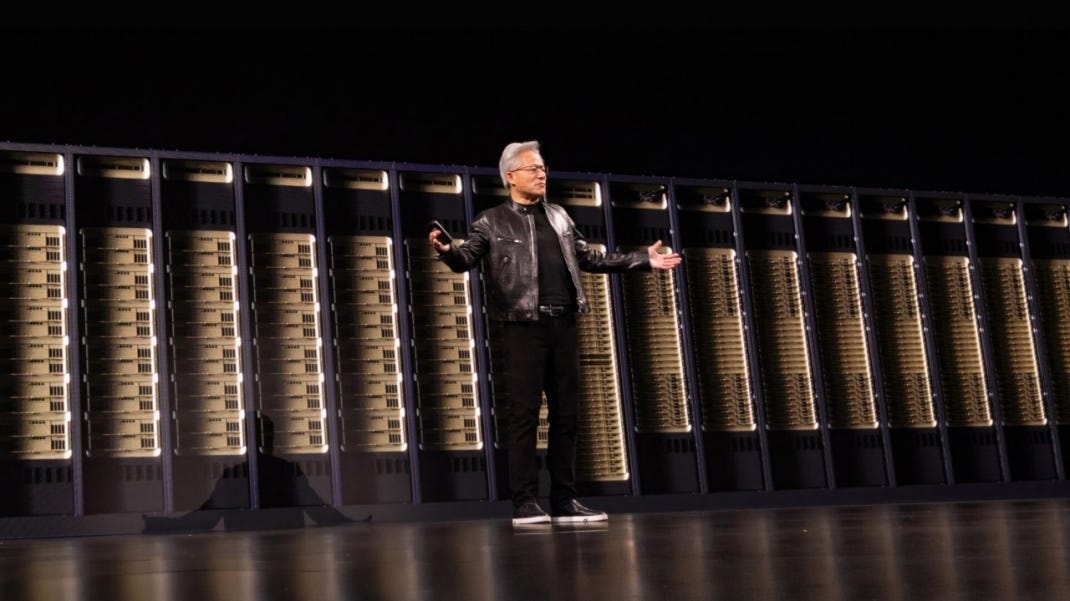
Huang talked about it at GTC Taipei in June 2026:
“When AI is no longer limited by the human population, a massive number of AI agents will use far more software tools than humans do. This is the best era to be a software company.”
He’s describing a platform opportunity. The companies that capture it won’t be the ones selling the most GPUs. They’ll be the ones running the full stack underneath the agents, collecting the toll on every token.
One company in the mid-market has already built that stack. The paid section covers the name, the numbers, and what we think it’s worth.
The rest of this report is available to paid subscribers only.
Join hundreds of investors getting access to:
Multiple deep dive articles weekly VIP discord server with private chat and daily trade alerts/analysis from 4 analysts
Around the clock support/guidance from Michael, Kawz, and AB analyst team
Get Michael and Kawz’s $70M Autopilot fund copy trade updates ($400/year separate value included)
